

Sales engagement has changed fast, and 2026 is shaping up to be another year where teams expect more from their tools. Groove still appeals to many revenue professionals because it’s simple, affordable, and easy to roll out. Its pricing is predictable, its interface doesn’t get in your way, and its support team has a strong reputation.
However, as sales cycles become increasingly multi-channel and AI plays a larger role in prioritizing leads, some teams outgrow Groove’s limitations. Reporting feels basic, and advanced automation isn’t always available; sales reps often require more comprehensive workflows to manage outreach, follow-ups, and forecasting.
That’s when companies start looking for alternatives that offer more power without adding friction.
In this article, you’ll learn:
- The top Groove alternatives for sales engagement in 2026, including Outreach, Salesloft, Apollo.io, Mixmax, Yesware, and HubSpot Sales Hub
- How these platforms compare on automation, AI, pricing, reporting, and multi-channel outreach
- Which tools fit different team sizes, workflows, and revenue models
Let’s examine the best options and help you choose the right platform for your team.
What to look for in Groove alternatives?
Choosing the right Groove alternative starts with understanding what your team actually needs to sell faster and communicate more effectively. Many businesses seek alternatives to Groove to access enhanced capabilities, better reporting, or more integrated platforms that can improve customer service and collaboration.
Groove covers the basics well, but growing revenue departments often seek greater depth in automation, analytics, and multi-channel workflows. Understanding the platform aims of each alternative helps teams identify which solution best aligns with their support goals and operational needs.
Core sales engagement features
A strong alternative should help reps manage every stage of the sales process without friction. That means clear contact management, flexible email sequencing that supports personalized messages to increase engagement, and smooth outbound workflows. Strong alternatives also enable targeted outreach campaigns that drive consistent results.
Deal tracking and pipeline visibility also matter because sales teams need to see movement at a glance. If a platform can’t centralize these essentials, it risks slowing reps down instead of streamlining their daily work.
Automation depth
Automation is no longer optional. Teams want tools that do more than just schedule emails. Look for AI-powered lead scoring to help reps prioritize opportunities, automated routing to instantly send leads to the right person, and multi-step outreach that adapts based on how prospects respond.
Automated follow-ups streamline communication by sending subsequent messages after the initial contact, improving engagement rates and saving your team valuable time. The more a platform can remove repetitive tasks from your reps' workflows, the more time they get back for live selling and relationship building.
Analytics and reporting
Groove provides simple reporting tools, but many teams quickly outgrow it. Advanced alternatives offer detailed dashboards, pipeline health indicators, team activity breakdowns, and forecasting tools that help leaders understand performance and predict revenue.
Robust reporting capabilities are essential for analyzing customer interactions across multiple channels, enabling teams to filter data and visualize trends effectively. For example, Help Scout provides advanced reporting capabilities that enable users to generate reports across different communication channels. Insights such as email engagement, sequence effectiveness, and rep productivity give teams the clarity they need to adjust strategy early, rather than react too late.
Multi-channel outreach
Buyers don’t live in one channel, so your sales tool shouldn’t either. Top platforms are accessible across web, mobile, and in-product interfaces, ensuring seamless support and engagement wherever your customers are. Top platforms support email, phone calls, SMS, social messaging, and even in-app communication. Multi-channel outreach helps reps reach prospects where they naturally interact and increases the chances of meaningful engagement.
Features like a customizable live chat widget not only enhance website aesthetics but also support engagement and lead generation. It also prevents the constant context switching that occurs when reps jump between multiple standalone tools.
Ease of use, onboarding, and knowledge base
Power is only useful if the platform is easy to learn. Some alternatives offer deep automation but are overwhelming on day one. Look for a clean user interface, quick setup, guided onboarding, and documentation that helps new team members get productive fast.
An intuitive tool reduces training time, lowers resistance from reps, and leads to higher adoption across the team. Keep in mind that some platforms reserve advanced onboarding support or certain features for users on a premium plan.
Pricing transparency
Groove’s $15–$40 per-user-per-month pricing gives teams a predictable budget. When comparing alternatives, make sure pricing is equally clear. Some tools charge extra for AI features, advanced analytics, or mandatory add-ons. Others have tiered seat minimums or usage-based fees that grow quickly. Transparent pricing helps you plan long-term and prevents unpleasant surprises as your team scales.
Integrations that matter
A sales engagement platform is only as strong as the systems it connects to. CRM compatibility is essential, but integrations with calendar tools, marketing platforms, email clients, and collaboration apps can make or break daily workflows. When everything syncs seamlessly, reps spend less time switching tabs and more time closing deals.
How Text App complements these platforms
Text® App isn’t a sequencing tool, but it plays a critical role in supporting sales workflows. While sales platforms drive outbound outreach, Text App manages inbound conversations, automates responses with AI, and keeps customer context organized in one place.
The unified workspace makes it easy for sales and support teams to collaborate, reduces delays caused by missing information, and helps prospects get answers faster. It strengthens the entire customer-facing experience by keeping engagement and support connected instead of siloed.
Desk software and entire team collaboration
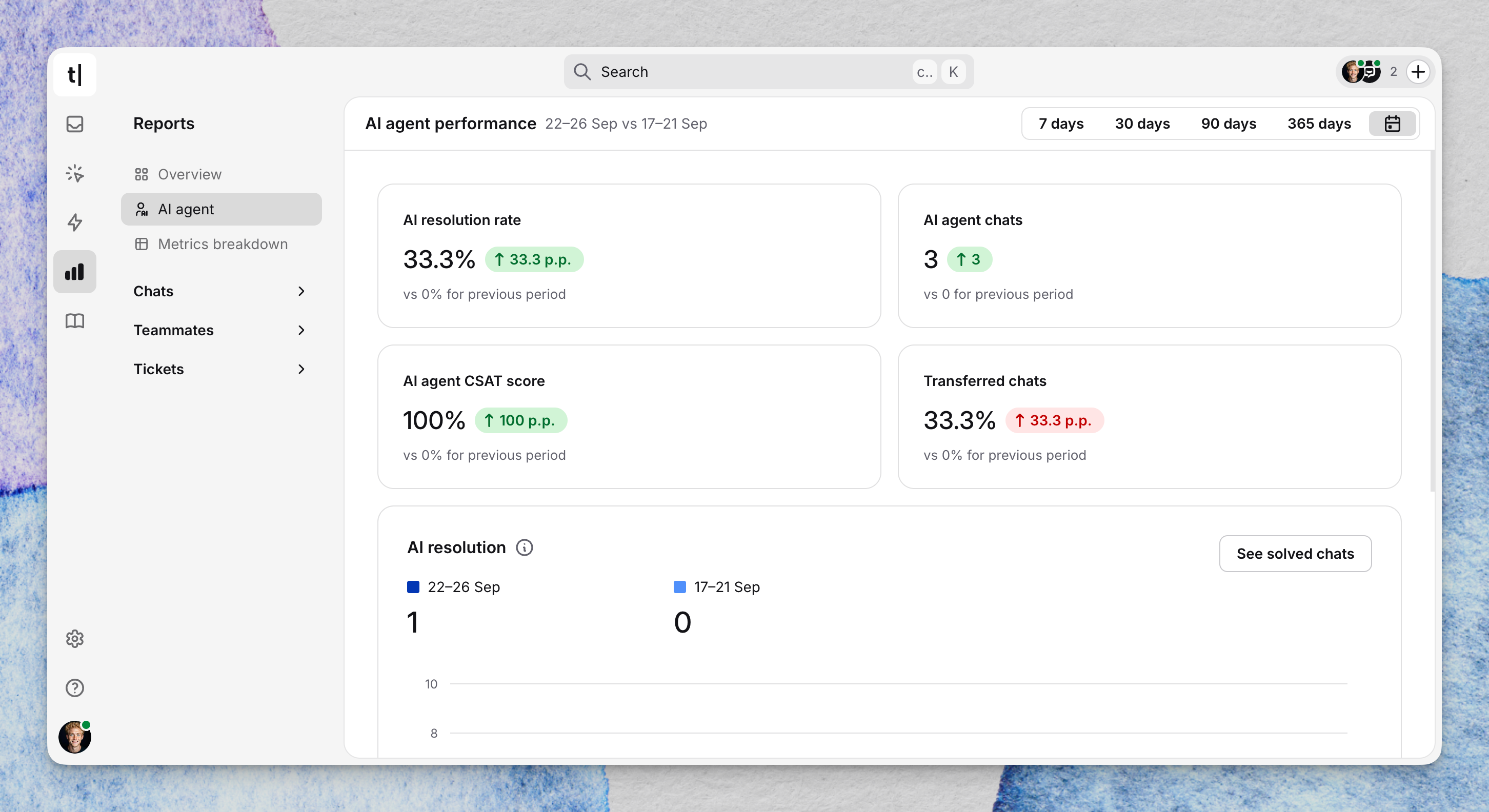
Desk software is a cornerstone for teams aiming to deliver exceptional customer satisfaction while keeping sales and support efforts tightly aligned. For sales teams and support agents alike, desk software provides a centralized hub to manage customer requests, track support tickets, and ensure that every customer interaction is handled efficiently. This unified approach not only streamlines workflow automation but also empowers the entire team to collaborate on resolving issues and advancing deals.
Modern desk software often integrates seamlessly with sales engagement platforms, giving sales professionals a comprehensive view of the entire sales cycle. For example, solutions like HubSpot Sales Hub offer visual sales pipelines and basic reporting features that help teams monitor progress and identify bottlenecks. By connecting sales outreach with customer support processes, teams can respond to inquiries faster and personalize follow-ups based on real-time customer data.
Top Groove alternatives go beyond simple ticket management. They deliver advanced analytics, robust workflow automation, and personalized messaging tools that enable sales outreach to be more targeted and effective. These platforms support multiple channels, allowing teams to engage customers wherever they are, whether through email, live chat, or social media.
When evaluating desk software, it’s essential to consider how well it supports the entire team’s collaboration, from sales professionals managing pipelines to support agents handling complex customer issues. The right platform should offer a strong feature set, including workflow automation, visual sales pipelines, and advanced analytics, to help teams stay organized and proactive.
When choosing a desk software solution that integrates with your sales engagement tools, you can ensure that every customer request is addressed promptly, driving higher customer satisfaction and more successful sales outcomes.
Best Groove alternatives for sales engagement
Before exploring traditional sales engagement platforms, it’s worth looking at how teams strengthen the entire revenue workflow, not just outbound outreach. That’s where the Text App comes in. While it isn’t a sequencing tool like Groove, it plays a crucial role for sales teams that manage both prospect conversations and a constant flow of customer inquiries.
Text App centralizes live chat, email, and AI-assisted responses in one workspace, helping sales professionals stay focused while support, operations, and account teams share the same context. It prevents leads from slipping through the cracks, reduces manual follow-up, and gives revenue crews shared visibility into every interaction.
Below are the leading Groove alternatives for outbound sales engagement, each offering deeper automation, richer analytics, and more advanced workflows than Groove’s lightweight feature set.
Text App
Text App fits teams that want to unify customer conversations, automate repetitive questions, and keep comprehensive sales and customer support aligned. Our AI agents can handle routine questions automatically and route complex issues to a human, while reps handle qualified conversations with full context. Compared to Groove, Text App strengthens the inbound side of the entire sales cycle, reducing delays, improving response quality, and creating a smoother customer journey from first contact to deal close.
Outreach
Outreach serves teams that need advanced, AI-supported revenue workflows and forecasting. Its strength lies in helping reps prioritize deals and orchestrate multistep outreach. Compared to Groove, Outreach offers deeper automation, more mature analytics, and stronger enterprise key features, a major upgrade for scaling teams with complex pipelines.
Salesloft
Salesloft is designed for teams that engage prospects across email, calls, and meetings. It brings structure to daily rep activity and ensures consistent sales outreach across channels. Compared to Groove, it provides more powerful dialing, cadence management, and coaching capabilities. Pricing is higher, but it offers a richer all-in-one engagement system.
Apollo.io
Apollo.io combines a large B2B database with engagement tools, making it ideal for outbound-heavy teams who prospect and sequence in the same platform. Its built-in lead data is a major advantage over Groove, and its automation tools position it as a cost-effective solution for fast-scaling teams.
HubSpot Sales Hub
HubSpot Sales Hub fits teams wanting CRM + engagement in one ecosystem. It provides automation, predictive insights, and a full revenue ops workflow that spans marketing and service. Compared to Groove, HubSpot delivers more robust reporting tools and cleaner cross-team alignment. Pricing starts higher, but the consolidation value is significant.
Mixmax
Mixmax is built for teams living inside Gmail. It adds automation, reminders, templates, and scheduling without requiring reps to switch tools. Groove offers broader sequencing, but Mixmax wins for reps wanting minimal friction and rapid onboarding.
Yesware
Yesware provides lightweight sequencing, tracking, and meeting scheduling directly inside the inbox, allowing users to schedule meetings seamlessly from their email. It’s a fit for small teams or individual sellers who want simplicity. Groove still offers richer workflows, but Yesware’s low price and instant familiarity make it a strong entry-level option.
| Platform | Best for | Key advantages vs. Groove | Pricing notes |
|---|---|---|---|
| Text App | Teams balancing sales + support | Centralized conversations, AI-assisted replies, unified context | Works alongside sales engagement tools to handle inbound customer conversations in a single workspace |
| Outreach | Scaling teams needing AI forecasting | Advanced automation, pipeline insights, revenue intelligence | Higher than Groove; enterprise-oriented |
| Salesloft | Multi-channel outbound teams | Strong calling workflows, coaching tools, and cadence structure | Higher price; robust feature set |
| Apollo.io | Outbound and prospecting-heavy teams | Built-in B2B database, enrichment + engagement in one | Competitive pricing for included data |
| HubSpot Sales Hub | Teams wanting CRM + engagement in one | End-to-end visibility, deep reporting | Higher starting point; value in consolidation |
| Mixmax | Gmail-centric teams | Native Gmail workflows, fast adoption | Similar to Groove, it depends on add-ons |
| Yesware | Smaller teams want simplicity | Inbox-native tracking + simple sequences, schedule meetings from inbox | Budget-friendly entry-level plans |
Each of these platforms solves a different challenge. Some give sales teams the advanced automation and forecasting that Groove lacks. Others focus on cleaner multi-channel outreach or deeper analytics.
And while these tools strengthen outbound sales motion, the Text App strengthens the inbound side by keeping conversations organized, reducing manual work, and giving your team full context whenever a prospect reaches out. That balance between engagement and customer support is what helps revenue teams move faster without losing sight of the customer.
With the main alternatives covered, let’s look at where customer support software fits into the picture and why some teams consider it when evaluating Groove replacements.
Top Groove alternatives for customer support–heavy teams
Some revenue teams handle more than outbound outreach. They manage demos, onboarding questions, troubleshooting, billing inquiries, and ongoing customer communication, all while keeping their visual sales pipeline moving.
Groove isn’t designed for that workload. It lacks a full help desk, automation depth, and a structured way to manage complex customer conversations. That’s why teams with heavy support needs look for platforms that blend reliability, organization, and broader channel coverage.
Before exploring the traditional customer support tools, it makes sense to start with the option that unifies customer communication across sales and support.
Text App
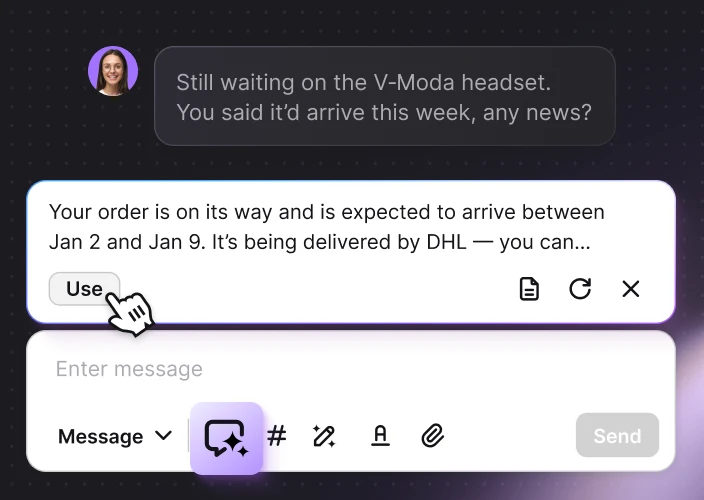
The Text App fits teams that want one place for all customer conversations, live chat, email, and AI-assisted responses, without forcing sales and support into separate tools. It centralizes context, automates repetitive questions, and keeps customer history visible across teams.
Unlike Groove, which focuses narrowly on outbound sequences, Text App strengthens inbound workflows so reps never lose visibility when a prospect or customer reaches out with a question. It improves speed, accuracy, and cross-team collaboration while reducing manual work.
Help Scout
Help Scout offers a simple, email-first shared inbox that keeps conversations organized and collaborative. It’s easy for smaller teams to adopt and includes built-in live chat for quick customer interactions. Compared to Groove, Help Scout provides better visibility into customer history and clearer team coordination, making it a natural upgrade for organizations handling a high volume of customer emails.
Freshdesk
Freshdesk supports full omnichannel communication, email, chat, phone, and social, and adds intelligent automation and AI to help teams manage rising support volume. Unlike Groove, Freshdesk is built specifically for ticketing and structured workflows, making it ideal for teams ready to scale support operations across multiple channels.
Zendesk
Zendesk delivers advanced ticketing, detailed reporting, customizable workflow automations, and a robust knowledge base. Its automation and analytics capabilities surpass Groove by a wide margin. Teams choose Zendesk when they need precision, scale, and mature support operations that can handle everything from SLAs to multi-brand service environments.
Intercom
Intercom combines in-app messaging, proactive chat, and AI chatbots to create a conversational support experience. It’s especially powerful for SaaS companies with active in-product users. Groove can’t replicate Intercom’s dynamic routing, sales automation, or customer engagement flows, making Intercom a strong choice for product-led organizations.
Zoho Desk
Zoho Desk offers structured ticketing, helpful automation, and AI-powered productivity insights, all at a budget-friendly price. Teams that outgrow Groove but don’t want enterprise pricing find Zoho Desk appealing. It’s particularly useful for companies already using the Zoho ecosystem.
ProProfs Help Desk
ProProfs focuses on collaboration features like internal notes, ticket assignment, and team workflows. Their 24/7 human support is appealing for teams that want responsive vendor assistance. Compared to Groove, ProProfs offers more robust ticket management, automation, and reporting.
LiveAgent
LiveAgent is one of the most affordable options and includes fast, customizable live chat widgets. It provides a unified inbox and multi-channel support system that’s far more structured than Groove. Teams choose LiveAgent when they want powerful chat performance and organized ticket handling at a low cost.
| Platform | Best for | Key advantages vs. Groove | Pricing notes |
|---|---|---|---|
| Text App | Teams managing inbound + outbound workflows | Unified chat + email workspace, AI automation, cross-team context | Flexible plans complement engagement tools rather than replacing them |
| Help Scout | Small–mid teams with email-heavy support | Shared inbox, simple collaboration, customer history | Mid-range pricing; easy rollout |
| Freshdesk | Scaling omnichannel support teams | Automation, AI, multi-channel ticketing | Competitive plans; pay-per-agent |
| Zendesk | Large or complex support organizations | Advanced reporting, workflows, self-service | Higher-priced, enterprise capabilities |
| Intercom | SaaS and product-led companies | In-app messaging, proactive chat, and AI chatbots | Premium pricing; usage-based add-ons |
| Zoho Desk | Budget-conscious teams | Strong ticketing + AI insights on a low budget | Very affordable entry tiers |
| ProProfs Help Desk | Teams needing 24/7 vendor support | Collaboration-first workflows, multi-channel intake | Mid-range pricing |
| LiveAgent | Businesses prioritizing cost + live chat | Real-time chat widgets, unified inbox | One of the most affordable options |
Teams leave Groove not because it fails at sales engagement, but because it can’t shoulder the burden of customer support. When conversations move beyond simple outreach, into onboarding, troubleshooting, or retention, platforms with stronger ticketing, automation, and multi-channel structure become essential.
The tools above fill those gaps in different ways, but the Text App adds something unique: a unified space where sales and support share the same customer context. That alignment helps teams respond faster, close deals with fewer delays, and create a smoother experience from first touch to long-term relationship.
Data, email automation, and analytics: key features
Once teams outgrow Groove’s lightweight automation and basic reporting, they begin looking for platforms that offer deeper visibility into pipeline performance and more powerful ways to reach prospects.
Email remains the foundation of most sales strategies, but the best alternatives now pair it with data-rich insights, AI-driven recommendations, and multi-channel touchpoints that keep conversations moving. Email tracking is also essential for monitoring recipient engagement, such as open rates and link clicks, which informs follow-up strategies and improves overall outreach effectiveness.
Below is a closer look at what sales teams gain when switching to more advanced tools, and why this matters for both outbound engagement and inbound customer communication. In addition to prospect data and enrichment, advanced platforms support lead generation through automation and targeted outreach, helping businesses attract and convert more prospects.
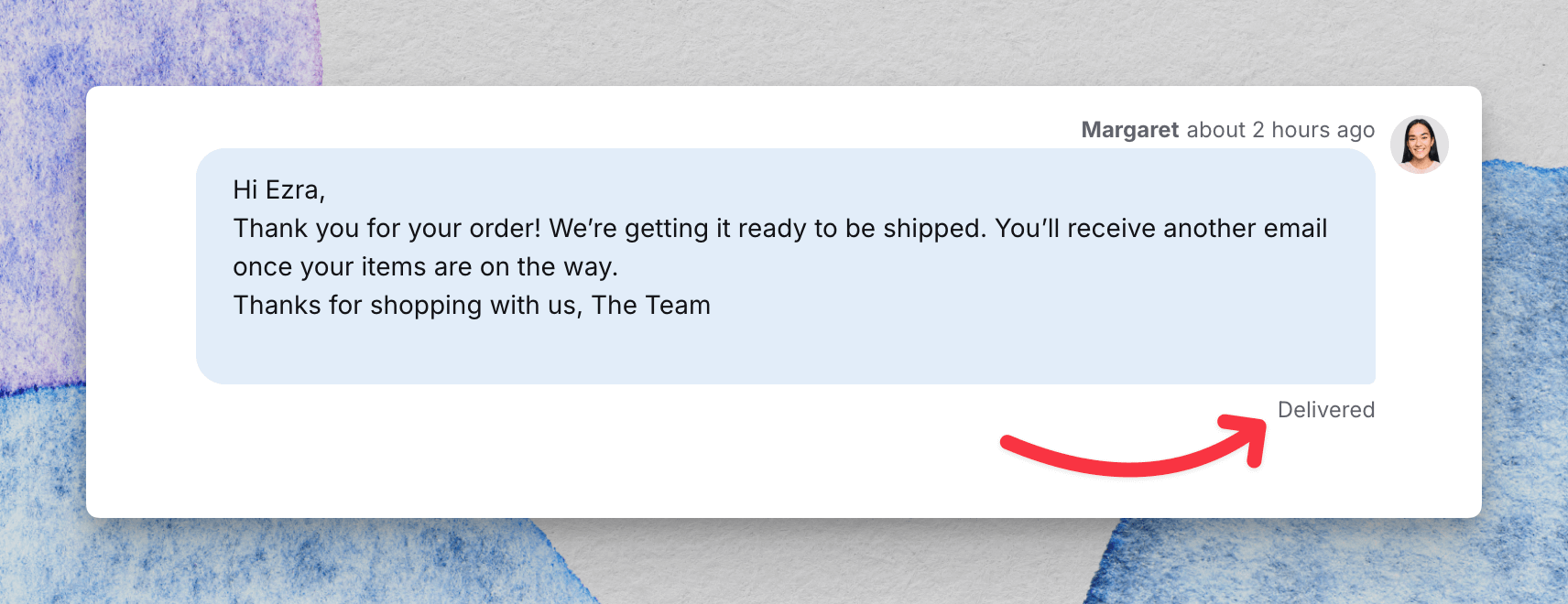
Analytics and performance tracking are also enhanced in these alternatives. TeamSupport, for example, provides tools to monitor customer health scores and prevent churn.
Smarter email marketing automation for flexible outreach
The strongest Groove alternatives offer email sequences that adapt to prospect behavior rather than fixed schedules. Tools like Outreach and Salesloft adjust next steps based on opens, replies, intent signals, and deal stage. Meanwhile, Mixmax and Yesware bring automation directly into the inbox, reducing friction for reps who prefer to work inside Gmail or Outlook.
Groove’s sequences are simple and linear, which works for smaller teams but becomes limiting once reps need branching logic, conditional steps, or AI-assisted timing suggestions. The more dynamic the workflow, the easier it is for teams to maintain personalized outreach at scale.
Richer customer data for better targeting
Platforms such as Apollo.io and HubSpot Sales Hub offer prospect data, enrichment, and contact insights that help reps qualify leads before sending a single email. Apollo.io’s B2B database is often the reason teams switch, while HubSpot’s CRM foundation ensures every customer interaction, sales, marketing, or support, stays connected.
This level of context helps reps send more relevant messages, time their outreach more effectively, and tailor follow-ups to real customer behavior. Groove users often cite limited contextual data as a barrier to accelerating pipeline movement.
Advanced analytics that drive forecasting and performance
Analytics is where Groove falls short for many teams. Alternatives provide dashboards that track outreach success, rep activity, conversion rates, and pipeline health with far more clarity. Outreach and Salesloft add revenue intelligence tools that help managers forecast accurately and identify risks earlier in the cycle.
Even lightweight tools like Yesware and Mixmax offer deeper tracking than Groove, including engagement heatmaps, template performance, and meeting outcomes. For teams scaling fast, these insights move from “nice to have” to essential.
Multi-channel capabilities that go beyond email marketing
Groove keeps the focus on email workflows, but a modern sales engagement platform spans multiple channels: sales calls, social messages, SMS, and in-app communication. Platforms like Outreach and Salesloft integrate calling, scheduling, and LinkedIn touchpoints into a single workflow.
This unified approach helps reps meet prospects in the channels they already use, and reduces the need to juggle add-ons or third-party tools.
How the Text App strengthens the inbound side of the workflow
While these tools elevate outbound workflows, they don’t address the growing volume of inbound customer questions about demos, pricing, onboarding, and product evaluations. That’s where the Text App complements the sales stack. It handles live chat and email customer inquiries, automates repetitive responses with AI, and keeps engagement history in a single workspace so reps always have the full context behind a prospect’s message.
Pairing a sales management platform with the Text App allows teams to create a balanced system where outbound automation and inbound clarity work together. It leads to smoother conversations, fewer lost opportunities, and a faster, more confident buying experience.
Implementation and onboarding: what team should expect
Switching from Groove to a more advanced platform isn’t just a software upgrade. It’s a shift in how your team communicates, organizes data, and prioritizes daily work. The best alternatives make that transition easier with guided setup, clear migration paths, and thoughtful onboarding that helps reps stay productive from day one.
Most teams want to implement a new tool without slowing down active deals. Simpler platforms like Mixmax and Yesware plug directly into Gmail or Outlook, which makes adoption almost instant. More advanced systems, such as Outreach, Salesloft, and HubSpot Sales Hub, require deeper configuration, but they offer structured onboarding programs and templates that help you build workflows without starting from scratch. Compared to Groove’s lightweight setup, these platforms take longer to set up, but they reward that investment with scalability and significantly richer automation.
A smooth migration also depends on CRM syncing and data clarity. Strong Groove alternatives ensure that contacts, email history, and pipeline information flow seamlessly into the new system. Most work natively with Salesforce, HubSpot, and Zoho, allowing teams to maintain consistent reporting while gaining far greater visibility. Many companies begin exploring alternatives precisely because Groove makes it harder to maintain unified data across sales and support as teams grow.
To make the rollout smoother, look for tools that support your existing process instead of forcing a new one. The right platform gives you control over sequences, routing logic, analytics, and user permissions, so onboarding becomes an improvement rather than a reinvention.
Here are the elements teams value most during onboarding:
- easy migration of contacts, templates, and sequences
- a clean interface that reps can learn quickly
- CRM syncing that preserves all customer interaction history,
- guided setup, training sessions, and responsive vendor support,
- the flexibility to refine workflows without rebuilding them
These factors often determine whether adoption soars or stalls. Even the most powerful tool loses value if the team doesn't feel confident using it.
This is also where the Text App fits in naturally. It supports implementation by handling the inbound side of the workflow, live chat, email questions, and AI-assisted replies, without requiring complex configuration or CRM restructuring. Setup is fast, and AI agents begin helping once they’re trained on your content, reducing early backlog and keeping conversations organized.
Conclusion
When comparing top alternatives, it’s important to assess pricing plans, the user-friendly interface, and the strength of customer support to ensure a smooth transition and ongoing success. Considering the needs of the entire team, across sales, support, and operations, will help you choose a solution that streamlines support processes and enhances collaboration.
Whether you’re looking for a free plan to get started or a paid plan with advanced analytics and multi-channel outreach, there’s a cost-effective solution available to fit your requirements.
Ultimately, the best Groove alternative will empower your revenue teams to drive more sales, manage deals more efficiently, and deliver outstanding customer support. If inbound conversations, demos, and customer questions are part of your sales motion, pairing your engagement platform with Text App gives you a clear advantage. Text App brings live chat, email, and AI-assisted responses into one workspace, so your team never loses context, and prospects get answers faster.
Try Text App to reduce manual work and support both sales and support teams from a single platform. It takes just a few minutes to set up, and you can see the impact right away.
FAQ
Is Groove still good for small sales teams?
Yes. Groove remains easy to use and affordable for small teams that rely mostly on email outreach and need simple pipeline support.
Which Groove alternative is best for AI-powered sales engagement?
Outreach and Salesloft offer advanced AI forecasting and revenue workflows. Apollo.io also stands out with its large B2B database.
What should I choose if I want strong analytics?
HubSpot Sales Hub and Zendesk (for support-led teams) offer the deepest reporting and dashboards across sales and service activities.
Which Groove competitor works best inside Gmail?
Mixmax and Yesware both operate directly inside Gmail, making them ideal for teams that want minimal workflow disruption.
How does Text App fit into more sales?
Text App isn’t a traditional sequencing tool, but it boosts sales performance by managing inbound customer conversations, offering AI-assisted replies, and keeping sales and support data in one place, ideal for revenue teams that work across multiple channels.
Get a summary with