

Go-to-market strategy is one of those concepts that teams agree is important, yet rarely align on in practice. It often lives in decks, kickoff meetings, or launch docs that look solid on paper but fall apart once real customers enter the picture.
A strong go-to-market (GTM) strategy isn’t about hype or big launches. It’s about making sure your product, pricing, messaging, and channels work together to reach the right buyers at the right moment. When GTM is clear, teams move faster, launches feel more focused, and early traction compounds rather than stalling. When it’s vague, even great products struggle to find momentum.
This guide cuts through the noise. Instead of focusing on frameworks for the sake of frameworks, it concentrates on how modern teams develop GTM strategies that adapt, learn, and scale in real-world markets.
In this article, you’ll learn:
- What a go-to-market strategy actually includes (and what it doesn’t)
- How to define your ideal customer and position your product around real outcomes
- Why GTM success depends on aligning product, marketing, sales, and customer experience
- How to avoid common GTM mistakes that slow adoption and inflate costs
Let’s get started and turn your go-to-market strategy into a system that drives real growth.
Understanding your ideal customer and the go-to market strategy
Every go-to-market strategy starts with focus. Not on channels. Not on messaging. On understanding who you’re building for and why, now is the right moment to reach them.
- Who is your ideal customer?
- What problem are you solving for them?
- How are they currently solving it?
- What alternatives do they have?
- What makes your solution different or better?
Identifying strong market demand in your target market is crucial, as it signals a real need for your solution and helps validate your value proposition.
Timing and opportunity matter. Sometimes, you’re introducing a new product to an existing market, or bringing an existing product into a new market or segment. Even established products entering an existing market may require a tailored go-to-market (GTM) approach to address unique challenges and competition.
Before building out the rest of your GTM strategy, it’s essential to establish product-market fit to ensure your solution truly meets your target audience's needs.
Market research fundamentals: demand, timing, and opportunity
Market research isn’t about collecting as much data as possible. It’s about answering a few critical questions early:
- Is there real demand for what you’re offering?
- Is the problem urgent enough that people are actively looking for a solution?
- Is the market ready to buy now, not “someday”?
Strong GTM strategies look at market size and growth, but they also pay close attention to timing. Shifts in technology, regulation, buyer behavior, or cost structures often create windows of opportunity. Enter too early, and you educate the market for others. Enter too late, and differentiation becomes expensive.
The goal is to identify where demand already exists and where your product fits naturally into that moment.
Competitive analysis focused on positioning gaps
Competitive analysis often goes wrong when teams obsess over feature comparisons. Buyers don’t choose products because of feature checklists. They choose based on perceived fit.
Instead of asking, “What features do competitors have?”, ask:
- How do competitors position themselves?
- Which customer problems do they emphasize?
- What audiences do they serve well, and which do they overlook?
Positioning gaps usually appear where competitors sound the same, target the same buyer, or avoid a specific pain point. Your GTM strategy should aim to occupy one clear, defensible position rather than competing everywhere at once.
Defining your ideal customer profile (ICP)
An Ideal Customer Profile (ICP) defines who your product is built for at the company or account level. In 2026, this goes beyond basic firmographics.
A strong ICP combines:
- Firmographic data: company size, industry, location, revenue
- Technographic data: technology stack, software usage, IT infrastructure
- Behavioral data: product usage patterns, buying signals, support needs
- Intent data: search behavior, content engagement, active problem awareness
In 2026, ICPs are increasingly defined using AI-powered analysis of live signals.
The tighter your ICP, the easier it becomes to align pricing, messaging, sales motion, and onboarding. A well-defined ICP ensures that sales efforts are targeted and effective, improving overall GTM success. Broad targeting feels safer, but it almost always slows GTM execution.
Buyer personas and decision-making roles
Once you know which companies you’re targeting, you need to understand who inside those companies actually buys.
Buyer personas map individual roles, not vague demographics. Each persona should clarify:
- Their primary goals and pain points
- Their influence on the buying decision
- What success looks like for them personally
In many B2B purchases, the user, decision-maker, and budget owner are different people. GTM strategies that ignore this reality often misfire, even with strong demand.
Mapping the buyer journey from first touch to retention
Understanding your customer doesn’t stop at acquisition. A complete GTM strategy maps the buyer journey end to end:
- How buyers first become aware of the problem
- What convinces them to evaluate solutions
- What removes friction at the moment of purchase
- What keeps them engaged after onboarding
Retention, expansion, and advocacy are all shaped by expectations set during the first interactions. When the GTM strategy considers the full journey, teams avoid overpromising early and underdelivering later.
Key takeaway: Strong go-to-market strategies start with focus, not scale. The clearer you are about your market and ideal customer, the faster everything else falls into place.
Creating a marketing plan
A marketing plan is the backbone of any effective go-to-market (GTM) strategy. It translates your high-level vision into a step-by-step roadmap, guiding the marketing team’s efforts to achieve your business objectives and drive a successful product launch. When built thoughtfully, a marketing plan aligns every marketing activity with your GTM strategy, ensuring your product or service reaches the right target audience through the right channels at the right time.
Start by conducting market research to gain valuable insights into your target audience, their pain points, preferences, and buying behaviors. This research is the foundation for identifying the most effective marketing channels, whether that’s content marketing, social media, paid advertising, or partnerships. By understanding where your potential customers spend their time and how they make decisions, you can focus your marketing efforts for maximum impact and minimize customer-acquisition costs.
Your marketing plan should clearly articulate your unique value proposition, setting your product or service apart from competitors and establishing a competitive advantage. This messaging framework will guide all marketing materials and campaigns, ensuring consistency across every touchpoint. Alongside messaging, define your pricing strategy and distribution channels, making sure they align with your overall GTM plan and support your revenue growth goals.
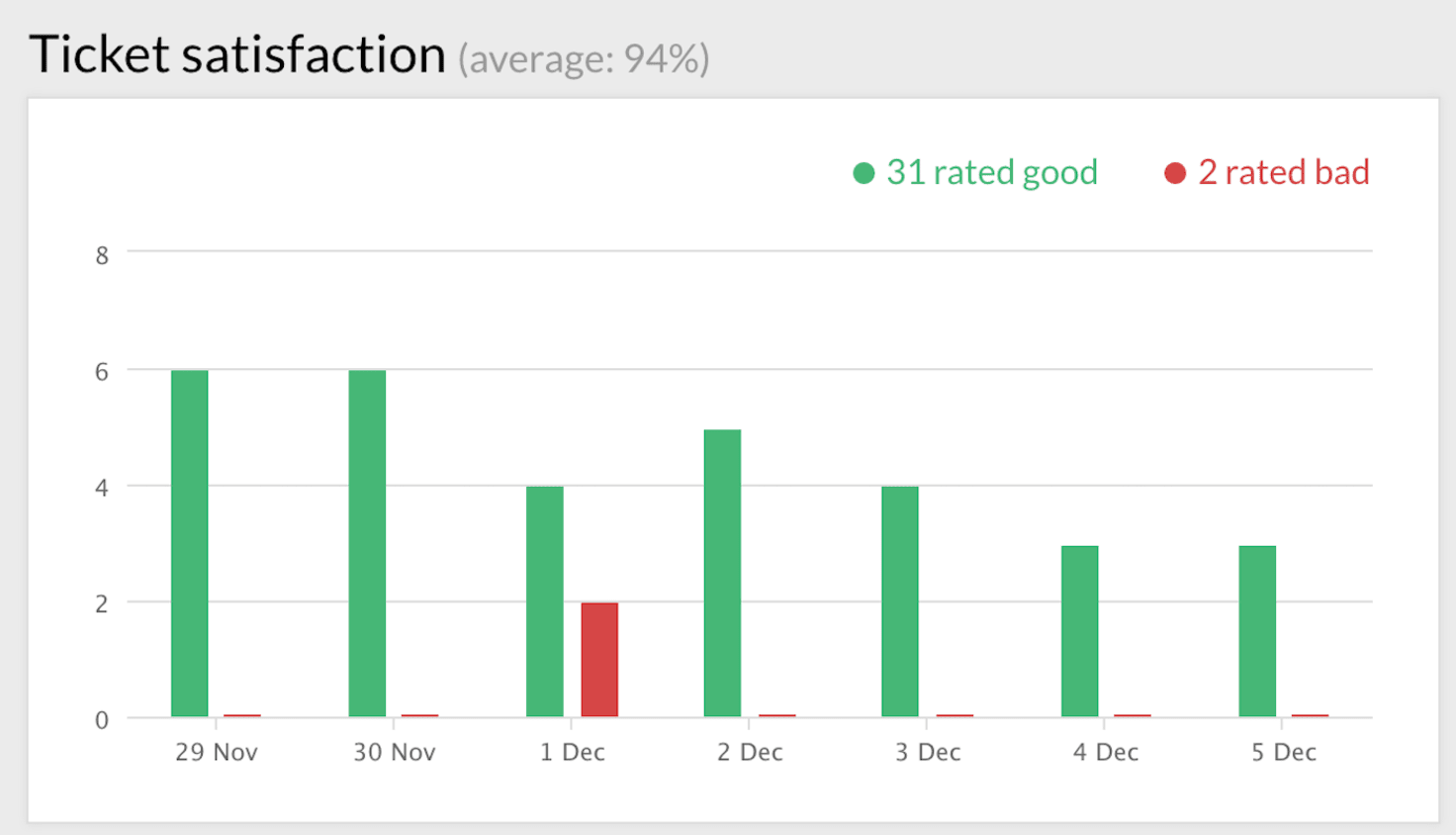
Key performance indicators (KPIs) are essential for tracking progress and optimizing your marketing strategy. Metrics like customer acquisition cost, conversion rates, and customer satisfaction provide a clear picture of what’s working and where adjustments are needed. Regularly reviewing these KPIs allows your marketing team to refine tactics, improve the customer journey, and ensure your marketing plan remains aligned with your business objectives.
A comprehensive marketing plan also includes a content marketing strategy to raise brand awareness, establish thought leadership, and generate leads. Tactics such as blog posts, email campaigns, and search engine optimization (SEO) help attract prospective customers and nurture them through the sales funnel. By mapping content to each stage of the customer journey, from awareness to conversion, you can deliver the right message at the right time, increasing engagement and driving customer acquisition.
Sales enablement is another critical component. Equip your sales reps with the tools, training, and resources they need to engage target customers effectively and close deals. This might include tailored content, product demos, or data-driven insights that support the sales process and shorten the sales cycle.
When it comes to sales strategy, consider which approach best fits your market GTM strategy. Direct sales can build strong customer relationships, while indirect or channel sales leverage partners to expand reach. Many successful GTM strategies blend these approaches, adapting to the needs of different customer segments and distribution channels.
Establishing product-market fit is an ongoing process. Use customer feedback, surveys, and testing to ensure your product or service truly meets the needs of your target market. This iterative approach helps refine your marketing plan and supports long-term customer retention.
Some market strategy examples to consider include product-led growth, where the product itself drives customer acquisition and retention through free trials or freemium models, and customer-led growth, which leverages customer insights to inform product development and marketing efforts.
In summary, a well-crafted marketing plan is essential for a successful GTM strategy. By aligning your value proposition, pricing strategy, distribution channels, and sales strategy, and by setting clear KPIs, you create a comprehensive plan that drives revenue growth, establishes a competitive advantage, and supports a successful product launch. Regularly revisit and refine your marketing plan to ensure it continues to deliver results as your market and customer base evolve.
2. Define your value proposition and positioning
Once you understand the market and who you’re building for, the next step is clarity. No more features. Not louder messaging. Clear positioning that makes it obvious why your product exists and who it’s for.
A strong value proposition sits at the center of your go-to-market strategy. It shapes how you talk about the product, how sales teams sell it, how pricing is perceived, and how quickly customers move from interest to action.
From features to outcomes
Most products can describe what they do. Fewer explain why that matters.
Effective positioning focuses on outcomes. It connects your product to the result your customer wants, not the mechanics behind it. Instead of leading with functionality, lead with the problem solved and the impact delivered. This shift shortens sales cycles and reduces the cognitive load on buyers who are already overwhelmed with options.
The best value propositions answer one simple question in a single sentence: What problem do you solve, for whom, and why are you better than the alternatives?
Differentiation that actually resonates
Differentiation doesn’t come from having more features. It comes from choosing what not to compete on.
Strong GTM strategies identify one or two points of difference that matter deeply to the ideal customer. These often show up in how the product fits into existing workflows, how quickly value is delivered, and how much effort it saves the buyer’s day.
If your positioning could describe three competitors just as well as your own product, it isn’t doing its job.
Aligning product capabilities with real pain points
Positioning only works when it reflects reality. If there’s a gap between what marketing promises and what the product delivers, churn increases and trust erodes.
That’s why the GTM strategy requires close alignment between product, marketing, sales, and customer teams. The language used in campaigns should match how the product is experienced in onboarding and everyday use. Consistency builds confidence, especially in early-stage relationships.
Pricing as part of positioning
Pricing isn’t just a revenue decision. It’s a positioning signal.
Subscription, freemium, usage-based, and tiered models all send different messages about who the product is for and how it should be used. These pricing models are closely linked to the overall business model and can influence how the product is perceived in the market. Pricing that aligns with buyer expectations reduces friction. Pricing that contradicts positioning creates hesitation, even when the product is strong.
The goal isn’t to be cheaper or more expensive. It’s to make the price feel logical, given the value delivered.
Key takeaway: Clear positioning turns interest into momentum. When buyers instantly understand why your product fits their needs, your go-to-market strategy does the heavy lifting before a sales conversation even begins.
3. Build your go-to-market model and success metrics
With a clear understanding of your market and a strong value proposition in place, it’s time to turn strategy into execution. This is where many GTM efforts lose momentum. Not because the plan is wrong, but because ownership, priorities, and measurement stay vague.
A solid go-to-market model is built on a detailed, step-by-step plan that serves as a roadmap for executing your GTM strategy. This plan outlines the go-to-market process, a structured set of steps for bringing your product to market, including defining target audiences, selecting distribution channels, and identifying success metrics.
A solid go-to-market model defines how your product reaches customers and how success is measured across teams. Setting clear sales targets is a key component of the GTM strategy, ensuring that marketing and sales efforts align with revenue goals. Success metrics and KPIs should include SMART goal definitions, such as Customer Acquisition Cost (CAC) and Net Revenue Retention (NRR). Additionally, revenue efficiency KPIs track metrics beyond leads, such as Pipeline Velocity and NRR, to provide a comprehensive view of performance.
Choosing the right GTM motion
There’s no single go-to-market motion that works for every product. The right approach depends on deal size, buying complexity, and how quickly customers can experience value.
Product-led models work well when users can get started on their own and see results quickly. Sales-led approaches make more sense when purchases involve multiple stakeholders, higher price points, or longer evaluation cycles. In practice, most successful teams operate hybrid models that blend self-serve entry with sales-assisted expansion.
When developing your go-to-market strategy, consider the four most common sales strategies: self-service (ideal for simple, low-touch products), inside sales (for moderately complex products and mid-market customers), field sales (for high-value, complex solutions requiring in-person engagement), and channel sales (leveraging partners to reach broader markets). Each strategy targets specific product types and customer segments, so selecting the right approach is key for effective product launching and sales growth.
What matters is consistency. Your GTM motion should align with how buyers actually want to engage, not with how your org chart is structured.
Aligning teams around one plan
GTM strategy breaks down when teams optimize for different goals. Marketing drives leads. Sales push deals. Product ships features. Customer teams handle fallout.
High-performing GTM teams operate from a shared plan. A strong go-to-market strategy aligns sales, marketing, product, and customer success teams to drive market penetration and revenue growth. Cross-functional teams in marketing, sales, and customer success should operate from a single source of truth with shared KPIs. They agree on the target customer, the core message, and what success looks like. That alignment reduces handoff friction and speeds up execution, especially during launches.
Clear ownership also reduces time-to-market. When teams know who decides, who executes, and who measures outcomes, work happens in parallel instead of in sequence.
When teams use different tools, alignment breaks down quickly. Marketing sees leads, sales sees deals, and support sees problems, but no one sees the full customer story. Using a shared workspace like Text® App helps unify those signals by keeping live chat, support conversations, and AI-assisted interactions in one place. That makes it easier for teams to align on who the customer is, what they’ve already asked, and where they are in the journey, without relying on handoffs or internal summaries.
Defining metrics that actually matter
Not every metric belongs in a GTM dashboard. Vanity numbers create false confidence and slow decision-making.
Strong GTM strategies focus on a small set of outcome-driven metrics. Customer acquisition cost, conversion rates, sales cycle length, and net revenue retention provide a clear picture of whether the strategy is working. These metrics connect directly to growth efficiency, not just activity.
Goals should be specific and measurable, with regular checkpoints to assess what’s working and what needs adjustment. GTM isn’t a one-and-done exercise. It’s an operating system that improves through feedback.
Key takeaway: A go-to-market strategy only works when execution and measurement are aligned. Clear motions, shared ownership, and meaningful metrics turn planning into progress.
4. Choose sales, marketing, and distribution channels
Even the strongest positioning falls flat if it doesn’t reach buyers at the right time and place. Channel strategy is where go-to-market plans become real. It determines how customers first encounter your product, how conversations start, and how smoothly interest turns into action. Collaboration between marketing and sales teams is crucial in selecting and optimizing these channels to ensure a seamless buyer's journey.
The goal isn’t to be everywhere. It’s to show up where your ideal customers already are and make engagement easy. Sales and marketing teams work together to plan, train, and track performance both before and after product launch, ensuring alignment throughout the process. The sales team plays a key role in executing various go-to-market strategies, managing sales cycles, and adapting to different sales models to drive business growth.
Selecting channels based on buyer behavior
Channel choices should reflect how buyers prefer to learn and decide, not what’s trending in the market. Some audiences research independently through content and peer recommendations. Others expect direct conversations early in the process. Many move between both.
An effective GTM strategy involves selecting the right marketing channels, crafting an ideal customer profile, and aligning tactics with customer behavior and preferences. Effective GTM strategies prioritize a small number of channels that match the buyer journey. That might mean search and content for problem-aware buyers, outbound or partnerships for account-based motions, or product-led entry points for self-serve adoption. When channels align with behavior, conversion improves without adding complexity.
Key components of an effective GTM strategy include defining a specific target customer, crafting a unique value proposition, analyzing competitors, choosing distribution channels, setting pricing, planning marketing and sales, and establishing success metrics. In 2026, an effective GTM strategy aligns product, marketing, and sales around the customer journey as a dynamic operating system.
Supporting sales with the right enablement
Sales channels perform best when teams have clear messaging and real-time context. Enablement isn’t about more scripts or decks. It’s about consistency.
When marketing, sales, and support teams speak the same language, buyers feel continuity rather than friction. Conversations build on each other instead of starting from scratch. This is especially important in hybrid GTM models where customers move between self-serve research and human interaction.
Tools that centralize customer conversations and context can help here, but only when they support the strategy rather than define it.
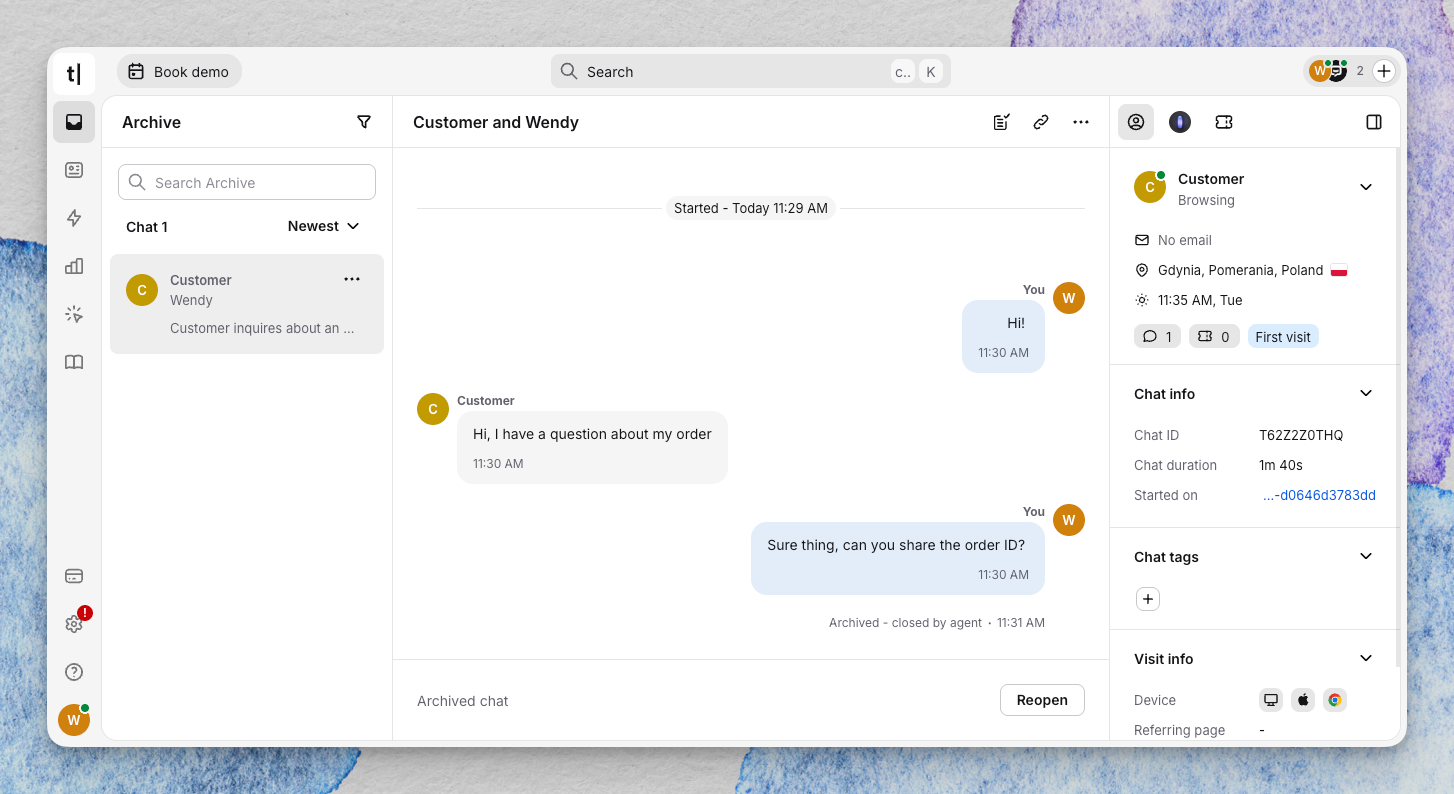
Sales enablement works best when context travels with the customer. In hybrid GTM models, buyers might read content, explore the product, and then open a conversation with sales or support. With Text App, those conversations don’t start cold. Sales teams can see prior questions and support interactions, which helps them respond with relevance rather than repeat discovery. That continuity shortens sales cycles and reduces friction when buyers are deciding.
Distribution and access to the product
Distribution answers a practical question: how does the product actually reach the customer?
Digital-first distribution has become the default for many products, but direct, indirect, and partner-led models still play a role depending on market and complexity. The best distribution strategies remove unnecessary steps between the interest and the first value.
The fewer obstacles a buyer faces before experiencing the product, the faster momentum builds.
Key takeaway: The right channels don’t amplify noise. They reduce friction. When sales, marketing, and distribution align with buyer behavior, go-to-market execution feels natural instead of forced.
5. Launch, acquire customers, and retain them
A go-to-market strategy doesn’t end at launch day. In many ways, that’s where it starts. What matters most is how teams respond once real customers begin interacting with the product, asking questions, and forming expectations.
To drive sustained growth, it’s crucial to leverage existing customers by increasing revenue through renewals, cross-selling, and upselling. Nurturing relationships with existing customers is essential to maximizing profitability and ensuring long-term success.
A focused launch sets direction, but sustained growth comes from execution after the announcement fades.
Turning a launch into momentum
Successful launches are clear, not noisy. They prioritize a specific audience, a simple message, and a defined outcome. Before launch, sales and support teams should know exactly who the product is for, what problems it solves, and how to handle early objections.
The first wave of customer conversations often reveals gaps in messaging, onboarding, or pricing. Teams that treat launch as a learning moment adapt quickly. Those who treat it as a finish line tend to stall.
Customer acquisition without inflating costs
Customer acquisition works best when it builds on the foundation set by earlier GTM decisions. When positioning is clear and channels match buyer behavior, acquisition becomes more efficient by default.
What often breaks acquisition strategies is overexpansion. Adding channels too early, chasing volume instead of fit, or optimizing for short-term wins usually drives customer acquisition cost up without improving retention. Strong GTM strategies resist the urge to scale before signals are clear.
Retention as part of the go-to-market
Retention isn’t a post-launch metric. It’s shaped by expectations created during the first interaction.
When onboarding, messaging, and product experience align, customers know what success looks like and reach it faster. That consistency reduces churn and creates space for expansion. Teams that connect acquisition and retention within a single GTM motion achieve compounding returns over time.
There are a few indicators worth watching closely once customers are live:
- How quickly users reach the first value
- Where friction appears in early interactions
- Which questions repeat across onboarding and support
- When and why customers disengage
These signals inform not only product improvements but also GTM adjustments.
Key takeaway: Launch is the beginning, not the peak. Go-to-market strategies that treat acquisition and retention as one continuous motion adapt faster and grow more sustainably.
Retention is often decided long before renewal discussions begin. Early support conversations set expectations for how responsive and helpful a company really is. Teams using Text App can combine human support with AI-assisted responses to handle routine questions quickly while escalating complex issues without losing context.
That balance helps customers reach first value faster and reinforces trust during the most fragile stage of the relationship.
6. Learn from real go-to-market examples and keep iterating
The fastest way to pressure-test a go-to-market strategy is to look at what’s worked before. Not to copy tactics, but to understand why certain approaches succeeded in specific contexts. A strong GTM strategy rarely relies on novelty. It relies on sharp focus and disciplined execution.
Across industries, successful examples tend to follow the same pattern. For instance, Apple’s 1998 iMac G3 launch targeted three primary consumer groups: first-time computer buyers, loyal Apple users, and PC owners, focusing its messaging on design and ease of use. Oatly entered the U.S. market by partnering with artisanal coffee shops, using baristas as early advocates to introduce oat milk to American consumers. Microsoft executed a go-to-market strategy for its third-generation Surface tablet by addressing the market problem that existing tablets lacked full functionality, positioning Surface as a complete solution.
Via emphasized ride-sharing to address overcrowding in public transit and the high costs of competitors' rides. Bread Beauty Supply focused on simplifying hair care routines for curly-haired consumers, differentiating itself from competitors with more complex offerings. Thinx offered washable underwear as a sustainable alternative to traditional menstrual products, appealing to environmentally conscious consumers. Vuclip targeted emerging markets with limited access to high-quality video streaming services, addressing slow buffering speeds.
The Sip’s go-to-market strategy included a mini-bottle program to allow subscribers to try champagne at a lower cost before committing to full bottles. Baggu focused on sustainability by using deadstock products and fabric, appealing to eco-conscious consumers. Upscope didn’t sell “screen sharing.” It solved a specific onboarding and support problem for teams that needed visual collaboration.
Different markets. Different products. The same GTM logic.
What these strategies share is restraint. Each chose a narrow entry point, aligned messaging with a real pain point, and expanded only after proving traction. None tried to scale distribution, channels, and use cases simultaneously. A solid GTM strategy supported these successful product launches by optimizing marketing efforts, reducing costs, and increasing ROI.
A strong GTM strategy enabled these companies to conduct effective market research, segment customers, develop compelling value propositions, and execute with discipline for a competitive advantage.
Iteration is what turns a good GTM strategy into a durable one. Early data and customer feedback should influence messaging, channel mix, and even pricing faster than internal opinions. Teams that revisit assumptions regularly adapt to how the market actually behaves, not how they expected it to.
That also means avoiding common GTM traps. Over-targeting broad audiences. Treating feature releases as launches. Optimizing for activity instead of outcomes. These mistakes don’t usually cause failure overnight, but they slowly drain momentum.
Key takeaway: Go-to-market strategy isn’t a fixed plan. It’s a system. The teams that win treat GTM as something they learn from, refine, and improve with every customer interaction.
Treat go-to-market as a system
Treat your go-to-market strategy as a system, not a one-off launch. When positioning, acquisition, sales, and customer experience are connected, growth becomes easier to sustain and simpler to manage.
Strong GTM execution comes from focus. Teams align around the same customer, measure what actually matters, and adjust based on real behavior instead of assumptions. That alignment is what turns launches into momentum and early traction into long-term growth.
Customer conversations play a bigger role in this system than most teams expect. The questions people ask, the speed of responses, and the context shared across teams all shape how value is perceived after the first touch. When those signals are scattered across tools, GTM friction creeps in.
Text App helps close that gap by unifying live chat, support, and AI-assisted conversations into a single workspace, so teams can move faster without losing context. If you want your go-to-market system to keep working after launch, start where your customers are already talking.
Explore Text App now and see how it supports a GTM strategy built for clarity, speed, and scale.
FAQ
What is a go-to-market strategy?
A go-to-market strategy is a plan for launching a product or entering a new market that covers positioning, sales, marketing, pricing, and customer experience.
When should a company create a GTM strategy?
When launching a new product, expanding into a new market, or repositioning an existing offering.
How is GTM different from marketing strategy?
GTM focuses on launch and execution across teams, while marketing strategy focuses on ongoing demand generation.
What metrics define GTM success?
Customer acquisition cost, conversion rates, sales cycle length, and net revenue retention.
Can a GTM strategy change after launch?
Yes. Effective GTM strategies evolve based on customer feedback and performance data.
Get a summary with