

Marketing automation has moved far beyond scheduling a few emails. In 2026, it’s the backbone of how businesses connect with customers at scale, personalize campaigns, and maximize every marketing dollar. Done right, it frees teams from repetitive tasks while making every touchpoint more relevant. Done poorly, it risks spamming your audience and wasting resources.
That’s why building a marketing automation strategy isn’t about buying software and pressing “go.” It’s about defining clear goals, mapping the customer journey, and choosing tools that make personalization both scalable and human. Whether you’re just starting or refining existing campaigns, the right approach helps you turn automation into measurable growth.
In this article, you’ll learn:
- How to build a step-by-step automation strategy that works in 2026
- Why audience segmentation and customer journey mapping matter more than ever
- What best practices separate high-performing campaigns from wasted effort
- Real-world examples of automated workflows that drive engagement and ROI
Let’s get started and turn automation into a strategy that works smarter, not harder.
Introduction to marketing automation
Marketing automation has become an essential pillar of modern marketing, empowering businesses to streamline their marketing efforts and deliver exceptional customer experiences at scale.
Leveraging marketing automation platforms and tools allows marketers can automate repetitive tasks that once consumed hours of manual work, such as scheduling emails, managing social media posts, or segmenting contact lists. This not only increases efficiency but also ensures that every customer interaction is timely, relevant, and consistent across channels.
With the right automation platforms in place, marketing teams can focus on what matters most: building relationships, crafting compelling campaigns, and analyzing results to drive continuous improvement. Marketing automation enables nurturing leads, engaging customers, and optimizing campaigns without sacrificing the personal touch today’s audiences expect.
Ultimately, it transforms the way businesses connect with their audience, turning everyday marketing processes into seamless, data-driven customer experiences.
What is marketing automation?
Marketing automation is the use of software and technology to automate and optimize a wide range of marketing processes. This includes everything from email marketing and social media management to lead generation and nurturing.
When automating these tasks, marketing teams can shift their focus from manual, repetitive work to more strategic activities, such as creating personalized content, analyzing customer behavior, and refining their overall marketing strategy.
For example, instead of manually sending newsletters or tracking leads, marketing automation tools can handle these tasks, ensuring the right message reaches the right person at the right time. This not only improves efficiency but also enables marketers to deliver more relevant and engaging experiences based on real-time customer behavior and preferences.
Key benefits for modern marketers
The advantages of marketing automation go far beyond saving time. By automating repetitive tasks, marketers can unlock a host of benefits that drive better results across the board:
- Increased efficiency: Automation handles routine marketing activities, freeing up your team to focus on high-impact, strategic work.
- Improved customer engagement: With access to rich customer data, marketers can deliver personalized messages and content that resonate with their target audience, leading to deeper engagement.
- Enhanced operational efficiency: Streamlined workflows reduce errors and ensure consistent messaging across all channels, making it easier to manage complex campaigns.
- Higher conversion rates: By delivering the right message at the right moment, marketing automation helps move prospects through the funnel more effectively, resulting in more conversions.
- Stronger customer retention: Automated follow-ups, loyalty programs, and personalized communications help keep existing customers engaged and coming back.
By automating repetitive marketing tasks and leveraging customer data, businesses can deliver personalized experiences that drive both immediate results and long-term loyalty. Marketing automation isn’t just about doing more with less; it’s about doing better, smarter marketing that truly connects with your audience.
Understanding customer data
A successful marketing automation strategy starts with a deep understanding of your customers. Collecting and analyzing customer data is the foundation for creating effective marketing automation strategies that deliver personalized content and targeted campaigns.
When tapping into insights about customer behavior, preferences, and purchase history, businesses can craft messages and offers that truly resonate, turning potential customers into loyal advocates.
Marketing automation thrives on data. The more you know about your audience, the more effectively you can segment them, tailor your messaging, and optimize every touchpoint along the customer journey.
Whether you’re aiming to boost engagement, increase conversions, or improve retention, leveraging customer data ensures your automation efforts are both relevant and impactful.
How to collect the right data
To power your marketing automation, it’s crucial to gather data that reveals how customers interact with your brand.
Focus on collecting information that sheds light on customer behavior, such as:
- Website interactions: Track which pages customers visit, how long they stay, and what actions they take (like downloads or form submissions).
- Email engagement: Monitor open rates, click-through rates, and responses to different types of content.
- Social media activity: Use social listening tools to understand what your audience is saying, sharing, and engaging with across platforms.
These insights can be collected through a variety of channels, including website analytics tools, social media management platforms, and customer relationship management (CRM) software. After analyzing this data, you can identify patterns and trends that inform your marketing automation strategies, enabling you to deliver personalized experiences that match each customer’s interests and needs.
Ultimately, the right data empowers you to move beyond guesswork and create targeted campaigns that drive real results. With a clear picture of customer behavior, your marketing automation efforts become more precise, more effective, and more likely to turn prospects into paying customers.
Step 1: Set clear goals and KPIs
Every successful marketing automation strategy begins with a clear sense of purpose. Without defined goals, automation quickly turns into noise, campaigns go out, but results are scattered and hard to measure. Start by asking: What do we want automation to achieve for our business right now?
Organizations should create a marketing automation strategy to streamline digital marketing tasks and optimize campaigns.
For most organizations, the objectives fall into a few categories:
- Lead generation – driving increased lead generation by capturing new prospects through signup forms, gated content, or trial offers. Automation strategies simplify lead capture, nurture prospects, and help grow the sales pipeline.
- Customer engagement – keeping audiences active and connected with tailored email flows, retargeting ads, or in-app messages.
- Retention and loyalty – nurturing existing customers with renewal reminders, win-back campaigns, or loyalty program promotions.
Once the goals are set, tie them to measurable key performance indicators (KPIs). These will become the benchmarks for evaluating success:
- Conversion rates – how many leads or visitors complete a desired action.
- Cost per lead (CPL) – whether your campaigns are cost-efficient.
- Customer lifetime value (CLV) – showing how automation impacts long-term revenue.
- Engagement metrics – like email open rates, click-through rates, or time spent on site.
It’s important to avoid relying only on surface-level metrics. High open rates are encouraging, but if the campaign isn’t leading to more purchases or renewals, the automation isn’t fulfilling its purpose.
A practical way to validate goals and KPIs is to start small. For example, an ecommerce brand might run an A/B test on its abandoned cart workflow. Version A sends a single reminder email, while Version B uses a three-step sequence with product recommendations and a limited-time discount. Tracking results side by side makes it clear which approach actually increases completed purchases.
Setting precise objectives and measuring against them gives you a roadmap for scaling automation and confidence that every workflow is contributing to real business outcomes.
Step 2: Identify your audience and segments
After setting goals, the next step is knowing who your automation is speaking to. Marketing automation is only as effective as the relevance of its messaging. Sending the same campaign to everyone is a shortcut to low engagement and wasted effort. Instead, identify your target audience and segment it into meaningful groups.
Accurate and clean customer data is essential for effective marketing automation, enabling precise audience segmentation and personalized messaging.
Start with buyer personas. These are detailed profiles of your ideal customers, built on demographics, behavior patterns, motivations, and pain points. It's important to develop detailed buyer personas that represent your ideal customers, including their demographics, pain points, and interactions with your brand.
For example, a SaaS business might have separate personas for small startups seeking affordability and for enterprise buyers focused on scalability and compliance. Clear personas help you understand which problems to solve and which messaging tone resonates best.
From there, move into segmentation, the backbone of personalization in automation. Leverage customer insights gathered from surveys, reviews, social media management, and feedback emails to inform your segmentation and improve campaign relevance.
Effective segments might include:
- Demographics (age, location, company size)
- Behavioral data (website visits, product views, cart abandonment)
- Engagement history (opened emails, clicked ads, downloaded content)
- Customer lifecycle stage (new subscriber, active customer, lapsed customer)
Segmentation pays off. Customers who receive targeted, relevant campaigns are more likely to open emails, click through offers, and ultimately convert. For instance, an ecommerce brand can create one automation for first-time buyers that offers a welcome discount, while running a separate re-engagement flow for past customers who haven’t purchased in 6 months.
Automation tools make this process easier. Platforms like the Text® App combine live chat, ticketing, and customer data in one place, so you can segment based on actual interactions, not just email lists. That means that if a customer asks about a product in chat but doesn’t purchase, you can trigger a follow-up campaign tailored to that intent.
The result of smart segmentation is messaging that feels less like automation and more like a natural conversation. And when customers feel understood, engagement and revenue follow.
Step 3: Choose the right automation software
Once you know what you want to achieve and who you want to reach, the next step is selecting the marketing automation software that will power your automation. This choice matters more than many realize. The software you pick determines how easily your team can build campaigns, how well your customer data stays connected, and how confidently you can scale as your business grows.
At the heart of any strong platform is the ability to design and run automated workflows. These workflows are the invisible threads guiding customers along their journey, sending a welcome email after signup, nudging them back when they abandon a cart, or surfacing a discount just when they’re most likely to buy. To make this possible, you need software that can segment audiences, personalize content, and provide clear reporting on campaign performance. Without these basics, automation becomes guesswork rather than strategy.
Scalability is another crucial factor. What works for a database of a thousand contacts often breaks down when you’re managing tens of thousands. The right marketing automation platform should grow with you, handling more campaigns and more data without slowing your team down or forcing expensive upgrades.
Just as important is how well the platform integrates with the rest of your marketing stack. If your ecommerce store, CRM, and analytics tools don’t connect seamlessly, you’ll end up with scattered data and an incomplete picture of your customer. Marketing automation tools can also integrate with other software, such as CRMs, to enhance functionality and ensure all your systems work together efficiently.
Ease of use is often underestimated but quickly becomes the difference between adoption and abandonment. A platform that looks powerful in a demo can still frustrate teams if the interface is clunky or requires constant developer input. Intuitive dashboards and clear workflow builders empower marketers to launch and adjust campaigns independently, freeing them from bottlenecks.
And then there’s cost. Pricing models range from per-user subscriptions to per-contact or per-action billing, so it’s not enough to look at the monthly fee alone. The real question is whether the platform saves you time, improves conversions, and reduces the need for extra tools. A slightly higher upfront cost often pays for itself by consolidating multiple systems into a single system.
This is where the Text App offers something different. Built as an AI-first platform, it combines live chat, email ticketing, and automation in a single workspace. Instead of juggling separate tools, you manage campaigns and conversations in one place, with AI handling repetitive tasks and escalating complex cases to humans only when needed. That unification means every automated message is informed by real customer interactions, making personalization smarter and campaigns more effective.
Choosing marketing automation software isn’t just a technical decision; it’s a strategic one. With the right foundation, automation stops feeling like a set of disconnected campaigns and becomes a system that continuously drives engagement and growth. Data quality is also essential for effective customer data management and accurate targeting, so prioritize platforms that help maintain high-quality data throughout your marketing automation strategy.
Step 4: Map the customer journey
Once your platform is in place, the next step is to understand the path your customers take from first contact to loyal repeat buyers. Creating a customer journey map to visualize every step a customer takes is essential for ensuring your automation feels natural rather than forced. Too often, businesses jump straight into building workflows without stopping to consider how they fit into the broader customer experience. Mapping the journey ensures your automation feels natural rather than forced.
The process begins by stepping into your customer’s shoes. What happens the moment they discover your brand? Do they browse your website, sign up for a newsletter, or follow you on social media? Each touchpoint represents an opportunity to guide them forward.
A first-time visitor might need a welcome series that introduces your brand and values, while someone who has placed items in their cart but not checked out might need a timely reminder with a gentle nudge to complete the purchase. Marketing automation should enhance the entire customer journey, from initial engagement to post-purchase, by delivering personalized content and targeted messaging across multiple channels.
Effective journey mapping also means recognizing the emotional states customers bring with them. At the awareness stage, curiosity drives behavior. In the consideration phase, skepticism often enters the picture; they need reassurance, proof, or social validation. At the purchase stage, urgency or hesitation takes over. Automation allows you to respond to these shifts in real time, delivering the right message when it matters most.
For example, an ecommerce company can automate a sequence that starts with a welcome discount for new subscribers, follows up with product recommendations based on browsing history, and later sends a reminder about loyalty rewards if a customer hasn’t returned in a few months. Each message feels like part of a larger conversation, not a random sales pitch.
This is where using a unified system like the Text App pays off. Because it brings live chat, email, and support tickets into one view, the customer journey doesn’t get fragmented across tools. A question asked in chat can inform an email follow-up, while a support ticket can trigger a retention campaign. Instead of isolated interactions, automation becomes a connected narrative that adapts to the customer’s behavior.
When done right, journey mapping turns automation from a series of disjointed campaigns into a personalized experience. Customers feel understood at every stage, and businesses see higher engagement, stronger loyalty, and more conversions as a result.
Step 5: Create content that engages
Automation is only as strong as the content that powers it. While workflows and triggers set campaigns in motion, it’s the words, images, and offers that actually drive customers to take action. Content marketing is a key channel within a broader digital marketing strategy, playing a crucial role in lead nurturing, customer engagement, and building brand loyalty alongside email, social media, and video advertising.
If the content doesn’t resonate, automation becomes little more than noise in a crowded inbox or notification center. Delivering personalized content through automation helps improve customer engagement, loyalty, and retention by ensuring each message is relevant to the recipient.
When planning content types and delivery across channels, consider using ad campaigns and paid ads for personalized advertising and retargeting, such as Facebook Ads, to increase conversions. Consistent branding across all channels also improves brand recognition and helps boost your reputation in a saturated digital space. That’s why content creation should be treated as the heart of your automation strategy, not an afterthought.
Why relevance matters
Customers today are more selective than ever about the messages they engage with. A generic campaign that blasts the same message to every subscriber often leads to fatigue and unsubscribes. In contrast, personalized, relevant content feels like a natural extension of the customer’s journey.
For example, imagine a new subscriber who receives two very different welcome emails:
- Generic: “Thanks for signing up for our newsletter. We’ll keep you updated.”
- Personalized: “Hi Sarah, thanks for joining our community! Here’s a 10% welcome discount and a quick guide to our best-selling products.”
The second message doesn’t just thank the customer; it offers immediate value, uses her name, and suggests a next step. That kind of relevance builds trust from the very first interaction.
Content types to prioritize
A strong automation strategy blends different types of content to nurture customers at each stage of their journey. Some of the most effective categories include:
- Welcome series: This is often a customer’s first real interaction with your brand, so it should set the tone. A well-structured series might start with a thank-you and discount, follow up with a story about your brand values, and end with product recommendations. Think of it as a handshake that introduces who you are and why the customer should stick around.
- Abandoned cart reminders: Few automations deliver ROI as reliably as these. But a simple “You left something behind” isn’t enough. The best reminders showcase the exact product, add urgency with limited-time offers, and include trust elements like reviews or guarantees.
- Product recommendations that are based on browsing history or past purchases feel genuinely helpful. Instead of pushing random products, you’re saying, “Because you liked this, you might love these.” That level of personalization drives higher conversion rates.
- Educational sequences: Customers don’t always want to be sold to; often, they want to learn. Tutorials, guides, and tips that solve real problems create long-term loyalty. For instance, a skincare brand might share a sequence on building a daily routine, subtly featuring its own products.
- Re-engagement campaigns: Every brand has lapsed customers. Re-engagement flows can win them back with messages like “We miss you,” paired with incentives, surveys to learn why they left, or updates on what’s new.
When these content types work together, automation feels less like marketing and more like relationship-building.
Delivering across channels
Modern customers move fluidly between devices and platforms, checking emails at work, scrolling social media on the commute, and opening chat apps at night. To match this behavior, your content needs to live across marketing channels without feeling repetitive. Consistent branding and automation across these digital platforms ensure your message is unified and effective.
- Email is still the workhorse of automation, perfect for detailed storytelling, product showcases, and promotions.
- SMS and push notifications excel at quick, time-sensitive nudges, a flash sale, shipping update, or limited-time offer.
- Social retargeting ads reinforce your message visually and capture attention as customers scroll.
- In-app and live chat prompts engage customers while they’re already interacting with your product or site, delivering immediate and contextual support.
The trick is to maintain a consistent voice while tailoring each message to its channel. A reminder email might explain the value of completing a purchase, while a push notification simply says: “Still thinking it over? Your cart is waiting.”
How Text App enhances content delivery
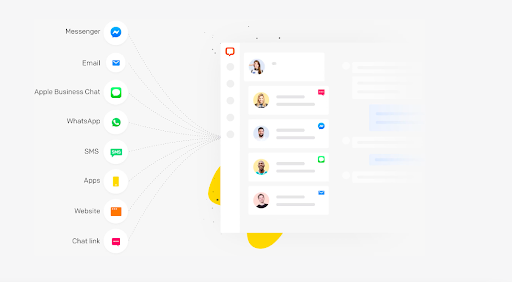
Crafting personalized content is one thing; delivering it at scale is another. This is where the Text App brings a significant advantage. Combining live chat, ticketing, and AI-driven automation in a single workspace ensures that content isn’t just scheduled but dynamically adapted to customer behavior.
- If a customer asks about a product in chat but doesn’t buy, the system can trigger a follow-up email that includes a detailed FAQ, a customer testimonial, or even a discount.
- If browsing history shows repeated interest in a product category, newsletters can highlight bestsellers or bundle offers from that category.
- If support tickets indicate recurring issues, proactively send educational content to prevent frustration and reduce support volume.
This blend of real-time data and AI-driven personalization ensures that automated campaigns feel timely and relevant, not mechanical. It also keeps messaging consistent across channels, turning disconnected communications into a unified customer experience.
Turning content into connection
When automation and content are aligned, marketing stops feeling like a broadcast and becomes more like a one-to-one conversation. Customers don’t see mass emails or generic reminders; they experience a series of messages that anticipate their needs, answer their questions, and add value at every step. That’s the difference between campaigns that get ignored and campaigns that drive long-term engagement and sales.
Great content makes automation invisible. Instead of noticing the system behind the message, customers feel like your brand is paying attention, and that’s what keeps them coming back.
Step 6: Build and optimize workflows
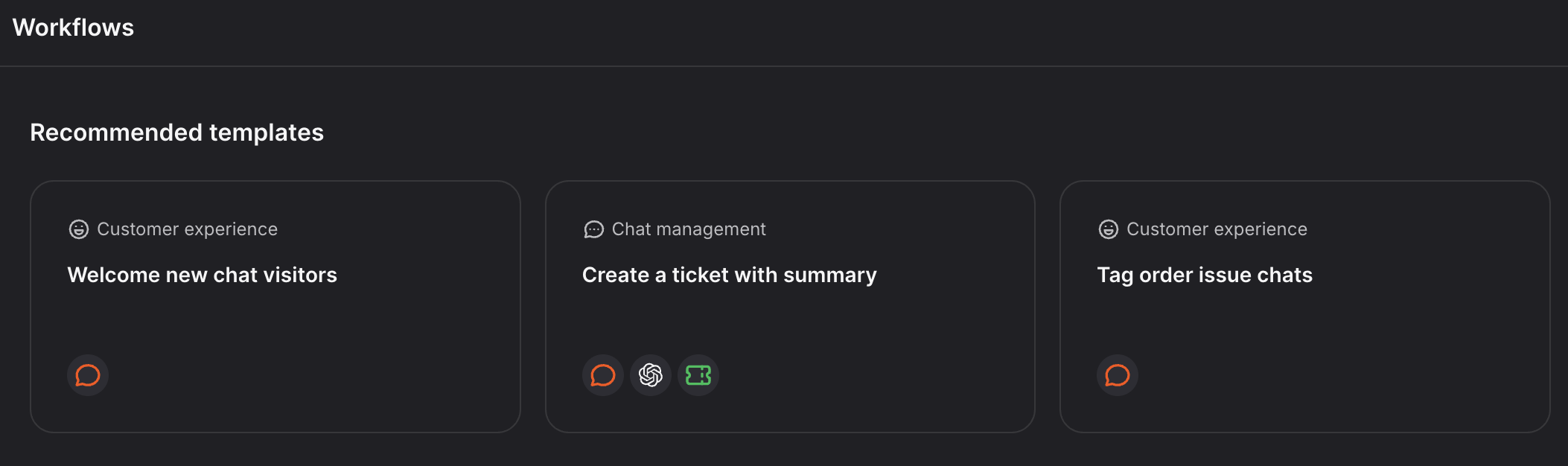
Once you’ve defined goals, segmented audiences, chosen your platform, and created engaging content, it’s time to bring everything together with automation workflows and marketing automation workflows. These workflows are the true engine of marketing automation, enabling the implementation and optimization of automated processes across your campaigns.
They decide when, how, and why customers receive certain messages, shaping the rhythm of your communication and ensuring that every interaction feels timely and relevant. Automated processes within these workflows streamline tasks, save time, and improve efficiency, making your marketing automation strategy more effective.
What workflows really are
At their core, workflows are a series of connected, automated actions triggered by customer behavior or predefined conditions. They turn simple events, such as signing up for a newsletter or leaving items in a shopping cart, into meaningful customer journeys.
A workflow might start with a single trigger, such as a new subscription, but branch into multiple paths depending on whether the customer engages with or ignores the first message. This branching logic ensures that campaigns adapt to customer behavior rather than sticking to a rigid, one-size-fits-all sequence.
Think of workflows as your brand’s way of “listening” and responding automatically. Instead of requiring a marketer to hit send on every message, the system reacts in real time to what customers do (or don’t do).
Examples of effective workflows
Here are some marketing automation examples that illustrate how automation tools can enhance customer engagement and streamline processes:
While workflows can get complex, many of the most effective ones are straightforward:
- Welcome series: A customer signs up for your newsletter and receives a thank-you email immediately. A few days later, they receive an introduction to your brand story. By the third message, they get tailored product recommendations or a discount to encourage their first purchase.
- Cart recovery: A customer adds items to their cart but leaves without completing the purchase. Within one hour, they receive a gentle reminder. If they still don’t act, another email two days later might include a testimonial or limited-time discount.
- Lead nurturing: A prospect downloads an ebook or attends a webinar. Over the following weeks, they receive a sequence of educational emails, case studies, and invitations to demos, gradually moving them closer to a purchase.
- Re-engagement: A customer who hasn’t opened your emails for 90 days receives a message asking whether they still want to hear from you, along with an incentive to return. Those who remain inactive can be removed from your list to maintain deliverability.
Each of these workflows ensures that customers receive consistent, thoughtful communication without requiring constant manual oversight.
Monitoring and refining workflows
Building workflows is not a one-and-done process. To be effective, they must be monitored, measured, and continuously optimized. The first step is aligning performance with the KPIs you defined earlier, conversion rates, engagement levels, and revenue impact.
From there, small adjustments can drive big improvements:
- Timing: Does sending a cart reminder one hour after abandonment perform better than waiting 24 hours?
- Content: Do personalized product recommendations outperform generic ones?
- Sequence length: Are customers more responsive to a two-step or a five-step nurture flow?
A/B testing is one of the most reliable ways to answer these questions. By testing variations within workflows, you learn what resonates with your audience and refine campaigns based on real data, not assumptions.
How Text App supports workflow automation
Most platforms handle simple workflows, such as emails and reminders. The Text App takes it a step further by combining automation with real-time customer interactions. For example:
- A customer who asks about a product in live chat can automatically be added to a follow-up sequence that emails more details.
- If a support ticket is resolved, the customer can receive a satisfaction survey automatically.
- AI-driven agents can step in to handle routine questions or send reminders, escalating to human agents only when the issue is too complex.
This unified approach means workflows aren’t limited to one channel. Instead, they seamlessly bridge chat, email, and support, ensuring customers always feel heard and supported.
Workflows as living systems
Finally, remember that workflows are never truly “finished.” They should evolve alongside your business and your customers. As you introduce new products, expand to new channels, or uncover fresh insights from analytics, your workflows should adapt. Regular reviews, at a minimum quarterly, help identify weaknesses and opportunities for improvement.
When treated as living systems rather than static setups, workflows become a long-term growth engine. They don’t just save time; they actively increase conversions, reduce churn, and improve customer satisfaction.
Step 7: Measure success and improve
Launching automation campaigns is only half the job. The other half, and arguably the more important one, is tracking how those campaigns perform and using the insights to refine your strategy. Without measurement, you’re essentially running on autopilot without knowing if you’re headed in the right direction. Continuous evaluation ensures that automation isn’t just active, but effective.
Define success in measurable terms
The first step is to revisit the goals you set at the beginning of your strategy. If your objective was lead generation, success should be measured by the number of qualified leads captured. If your focus was retention, metrics such as repeat purchase rates or churn reduction are more relevant. The key is to tie outcomes to business objectives rather than vanity metrics.
Key metrics to track
While every business has unique goals, a few metrics consistently reveal how well automation is working:
- Conversion rates: Do your automated campaigns drive purchases, sign-ups, or downloads?
- Customer lifetime value (CLV): Has automation increased the overall value of each customer over time?
- Engagement metrics: Open rates, click-through rates, and time-on-site can indicate how compelling your messages are.
- Response time and resolution rates: For workflows that involve support or chat, these metrics indicate whether automation is improving the customer experience.
- Cost per lead (CPL) and return on investment (ROI) are key metrics that ensure automation is financially sustainable.
The role of testing
Metrics are only useful if they inform action. That’s why testing is essential. A/B testing within automated campaigns allows you to compare two variations and see which performs better. For example, you might test:
- Subject line A vs. subject line B in a welcome email.
- Offering a discount in the first vs. the second abandoned cart reminder.
- A three-step lead nurturing sequence vs. a five-step sequence.
Over time, these tests build a knowledge base about your audience and refine your strategy in ways that incremental tweaks alone cannot.
Using analytics for optimization
Analytics tools make it easier to spot patterns that aren’t obvious at first glance. For instance, you may notice that certain workflows underperform with a specific customer segment or that engagement drops sharply after the third email in a sequence. These insights help you decide whether to shorten the workflow, adjust content, or retarget the segment differently.
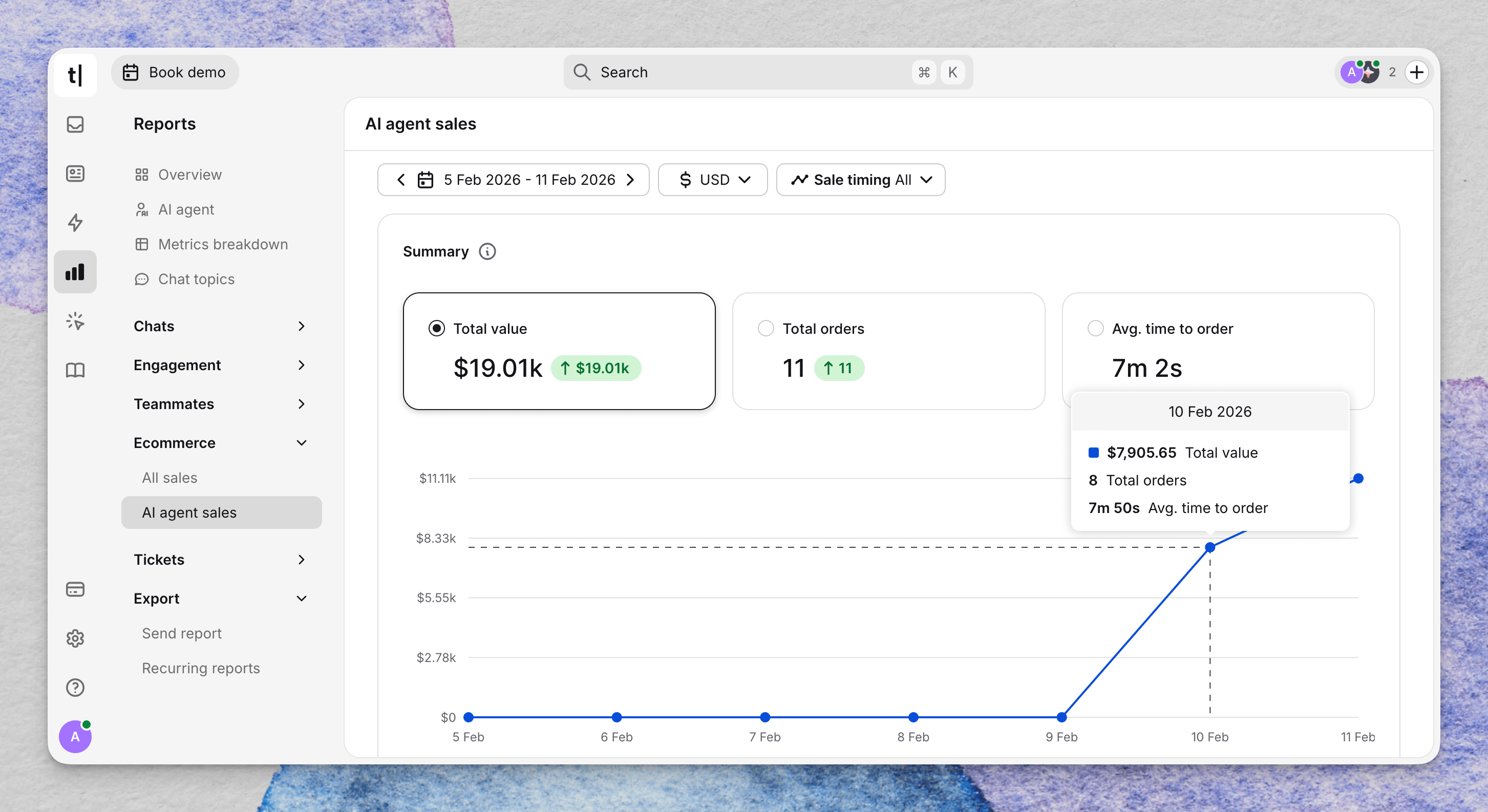
This is where the Text App offers a clear advantage. Because it centralizes live chat, email, and automation in one workspace, all customer interactions flow into a single reporting system. The platform tracks sentiment trends, response times, and engagement patterns in real time, giving you a complete picture of performance. Instead of juggling multiple dashboards, your team sees everything in one place, making it easier to connect marketing outcomes with customer behavior.
Iteration as an ongoing process
Optimization isn’t a one-time project; it’s a continuous loop of testing, measuring, and improving. The most effective teams schedule regular reviews of their automation strategy, monthly for campaign-level tweaks and quarterly for bigger structural changes. This cadence ensures that strategies stay aligned with both evolving customer behavior and shifting business goals.
The payoff of improvement
The reward for this discipline is measurable growth. Campaigns become sharper, content feels more relevant, workflows run smoother, and ROI becomes clearer. Instead of wondering whether automation is “working,” you’ll have hard data to prove it, and a process in place to make it work even better tomorrow.
Step 8: Best practices for marketing automation
By now, you’ve seen how each step, from setting goals to measuring performance, contributes to a strong automation strategy. The marketing department and marketing team play a crucial role in implementing and leveraging marketing automation strategies, ensuring that automation tools enhance communication, lead nurturing, and customer engagement within the team.
But success also depends on how you approach automation as an ongoing practice. Best practices act as guardrails, helping you avoid common pitfalls while keeping campaigns efficient, relevant, and impactful.
Integrating the sales team and lead management processes with your marketing automation strategy can improve lead generation, qualification, and conversion rates by ensuring a seamless transition from marketing to sales. Training your team on new automation software is essential for successful implementation, empowering them to oversee and optimize automation processes effectively.
Additionally, implementing automation can improve budget allocation, enabling teams to focus their resources on campaigns that yield the highest returns.
Build detailed buyer personas
Automation is only as effective as the audience's knowledge behind it. Creating buyer personas goes beyond demographics; it involves understanding motivations, challenges, and behavior patterns.
For example, a SaaS company might identify “Startup Sam,” who values affordability and quick setup, versus “Enterprise Erin,” who prioritizes compliance and scalability. Automation flows built around these personas deliver content that speaks directly to each group’s needs.
Segment with precision
Segmentation shouldn’t be static. Instead of relying solely on demographics, refine groups based on behavior and lifecycle stage. For instance, an ecommerce brand can target “first-time browsers,” “cart abandoners,” and “loyal repeat customers” with different workflows. This makes automation feel personal, not mechanical, and dramatically increases engagement rates.
Nurture leads instead of rushing them
Not every prospect is ready to buy right away. Automated lead nurturing sequences help build trust over time through education, social proof, and value-added resources. A B2B brand, for instance, might send a series of case studies and product tutorials before offering a demo. This keeps the conversation alive without overwhelming the lead with aggressive sales pushes.
Continuously test and optimize
A/B testing is essential to uncover what truly resonates with your audience. Test everything from subject lines and send times to the number of touchpoints in a workflow. Over time, small improvements compound into significant ROI gains. Pair testing with analytics to ensure you’re not just optimizing for vanity metrics like open rates, but for meaningful outcomes like conversions and revenue.
Run multichannel campaigns
Customers rarely interact with brands in a single channel. Best-in-class automation strategies extend across email, SMS, chat, social, and in-app messaging. The secret is consistency, ensuring that whether a customer sees a reminder on Instagram or in their inbox, the voice and value are aligned. Multichannel campaigns mirror the way people actually shop, browse, and make decisions in 2026.
Create content that educates and adds value
Automation works best when it doesn’t feel like marketing. Campaigns that answer questions, provide tips, or solve problems build trust. A skincare brand might use automation to send personalized routines based on skin type, while a finance app could deliver budgeting tips aligned with a user’s spending patterns. When the content feels useful, customers are more willing to engage.
Train your team to own automation
The best workflows and tools are useless if your team doesn’t know how to use them. Invest time in training so marketing and support staff understand how to build, monitor, and optimize campaigns. Encourage cross-team collaboration so insights from sales, support, and product all feed into your automation strategy.
The long-term mindset
Perhaps the most important best practice is viewing automation as a journey, not a project. Customer expectations evolve, technologies advance, and new channels emerge. Staying adaptable while keeping your audience’s needs at the center ensures that your strategy remains effective not just today but years down the line.
Step 9: Marketing automation tools in 2026
No strategy is complete without the right tools. Marketing automation software has become essential for streamlining and enhancing a range of marketing functions, from email marketing to customer data management.
The market for these platforms has grown rapidly, and while many solutions offer similar features, each platform excels in different areas. Marketing automation work involves implementing software tools to automate routine marketing tasks, such as email campaigns, social media management, and ad operations, which improves efficiency and customer engagement.
Choosing the right software depends on your business size, goals, budget, and how well it integrates within your overall marketing stack to ensure seamless data flow and campaign effectiveness.
Some tools specialize in email campaigns, others in CRM, and a few, like the Text App, combine multiple functions into one workspace.
Hootsuite is popular for automating social media marketing, while HubSpot offers a comprehensive suite for managing a range of marketing tasks. The challenge isn’t finding a tool; it's selecting the one that aligns best with your strategy. Below is a comparison of some of the most popular options in 2026.
Comparison of marketing automation tools
| Tool | Pricing (starting) | Best for | Standout feature |
|---|---|---|---|
| Text App | From $19/agent/month | Businesses wanting an all-in-one AI-first workspace | Unified platform for chat, email, ticketing, and AI-driven automation |
| HubSpot | From $800/month | Mid-sized to enterprise companies | Comprehensive CRM and automation ecosystem with deep integrations |
| ActiveCampaign | From $49/month | SMBs needing advanced email + CRM | Robust customer journey mapping and behavior-based automation |
| Mailchimp | Free plan, paid from $13/month | Small businesses and beginners | Easy-to-use email automation with templates and analytics |
| Hootsuite | From $99/month | Brands focused on social media automation | Centralized scheduling and monitoring across multiple social platforms |
Why Text App stands out
Where many platforms focus narrowly on marketing, the Text App blends marketing automation with customer service and sales support. Instead of stitching together multiple tools, teams manage everything, from live chat to email campaigns, in one place. Its AI-first design means workflows aren’t just timed messages; they adapt in real time to customer behavior and escalate to human agents when needed.
This unified approach saves money on multiple subscriptions, prevents data silos, and enables more accurate personalization by allowing all customer interactions to flow through a single system. For businesses that want both efficiency and customer-centric automation, Text is a strong choice.
Create a marketing automation strategy that sells
Setting clear goals, segmenting audiences thoughtfully, mapping customer journeys, and choosing the right tools allows businesses can scale their engagement without losing the human touch. Each step adds another layer of efficiency and personalization, transforming marketing from a series of disconnected campaigns into a seamless customer experience.
This is exactly where the Text App shines. Built as an AI-first, all-in-one workspace, it doesn’t just automate, it connects. Workflows run across email, chat, and support, so no customer interaction slips through the cracks. Content is personalized at scale, powered by real-time data. And every campaign is measurable, with insights on engagement, sentiment, and ROI built right into the platform.
The result? Smarter campaigns, more satisfied customers, and measurable growth that doesn’t depend on growing your headcount.
Ready to see how automation can elevate your business strategy?
Start your free Text App trial today and discover how effortless and effective customer-first automation can be.
FAQ
Is marketing automation worth it in 2026?
Yes. Automation saves time, reduces costs, and increases ROI by ensuring campaigns reach the right people with the right message. Even small businesses benefit from automating tasks such as welcome emails and cart recovery.
What’s the best marketing automation tool for growing teams?
The Text App is a strong choice because it combines chat, ticketing, and AI-powered automation in one workspace. Other popular options include HubSpot for enterprise and ActiveCampaign for SMBs.
How do I start with marketing automation?
Begin with one or two simple workflows, like a welcome email series or abandoned cart reminders. Measure the results, refine your content, and then expand into more complex customer journeys.
Does automation replace the need for human marketers?
No. Automation handles repetitive tasks and provides data-driven insights, but human marketers are still needed to craft strategies, write compelling content, and bring creativity into campaigns.
Get a summary with